
"coffee in Martinique"
2000 article(s) found

Coffee information Coffee spread worldwide
The story of how coffee was grown and drunk all over the world is one of the greatest and most romantic stories in history. The story begins in Ethiopia, on the tip of Africa, where coffee was most likely born in the Kafa region. There are all sorts of uncertain claims about the discovery of a method for roasting coffee beans. One of the stories is that an Ethiopian shepherd found his

Boutique coffee beans knowledge coffee producing area Venezuela
The distinctive manor coffee comes from this oil-rich country. Oil was once considered to be the main export of Venezuela. Although coffee trees were introduced from Martinique in 1730 and Venezuela, coffee production was almost abandoned at the height of the oil industry. Recently, coffee plantations have begun to recover, with the original planting of Tipica and

Dominican coffee beans with pure and soft aroma introduce boutique coffee
In the early 18th century, coffee was introduced to Domiga from Martinique, and fine coffee was produced in the north represented by Hibao and in the south, including Okayabani Santo Domingo. Among them, the coffee produced by Santo Domingo and Barney, which is almost synonymous with domiga coffee, is a world-famous high-quality coffee. Santo Domingo coffee, which is characterized by freshness and elegance,

The Geographic History of Blue Mountain Coffee
In 1717, King Louis XV of France ordered the cultivation of coffee in Jamaica. In the middle of the Blue Mountain Coffee era, the Governor of Jamaica, Sir Nicholas Nicholas Lawes, imported Arabica seeds from Martinique and began to plant them in St. Andrew. To this day, the St. Andrews area is still a dental buyer.
Coffee producing area Coffee introduction to Venezuela
The distinctive manor coffee comes from this oil-rich country. Oil was once considered to be the main export of Venezuela. Although coffee trees were introduced from Martinique in 1730 and Venezuela, coffee production was almost abandoned at the height of the oil industry. Recently, coffee plantations have begun to recover, with the original planting of Tipica and

Which country is Blue Mountain Coffee? can Blue Mountain Coffee be cheap?
The myth of Blue Mountain Coffee is necessary because the image of the past is often inconsistent with the reality of today. In 1725, Sir Sir Nicholas Lawes brought the first Blue Mountain Coffee species from Martinique to Jamaica and planted them in the St.Andrew area. Today, St. Andrews is still the top three of Blue Mountain Coffee.

The origin of Venezuelan boutique coffee and beans
Professional baristas please follow the coffee workshop (Wechat official account cafe_style) Venezuelan oil was once considered to be the main export product of Venezuela (Venezuela). Although coffee trees were introduced from Martinique in 1730 and Venezuela, coffee production was almost abandoned at the height of the oil industry. Recently, coffee plantations have begun to recover.

Coffee flavors from different coffee producing areas around the world coffee producing areas in Venezuela
Venezuela introduced coffee trees from Martinique as early as 1730, but coffee production was almost abandoned at the height of the oil industry. Recently, coffee plantations have begun to recover, with original Tipica and bourbon coffee trees and new plantations laying the foundation for coffee exports.

Where did the earliest coffee in Dominica come from?
The earliest coffee in Dominica was introduced from Martinique (the overseas province of France), dating back to the early 18th century. Dominica is an island country with a tropical climate. The temperature changes little throughout the year. Except for the lower temperature in the Central Cordillera Mountains, which can reach less than 0 ℃ in winter, the annual average temperature in other areas is between 25 and 30 ℃, which is affected by the mountain topography.

Planting History of Blue Mountain Coffee beans in Jamaica
In 1717, King Louis XV of France ordered the cultivation of coffee in Jamaica. In the middle of the 20th century, the Governor of Jamaica, Sir Nicholas Nicholas Lawes, imported Arabica seeds from Martinique and began to plant them in St. Andrew. To this day, St.

Santo Domingo Coffee in Dominica Coffee region with savanna climate
The earliest coffee in Dominica was introduced from Martinique (the overseas province of France), dating back to the early 18th century. Dominica is an island country with a tropical climate. The temperature changes little throughout the year. Except for the lower temperature in the Central Cordillera Mountains, which can reach less than 0 ℃ in winter, the annual average temperature in other areas is between 25 and 30 ℃, which is affected by the mountain topography.

Characteristics of Arabica beans Coffee producing countries Coffee producing countries Venezuela
Venezuela's distinctive manor coffee comes from this oil-rich country. Oil was once considered to be the main export of Venezuela. Although coffee trees were introduced from Martinique in 1730 and Venezuela, coffee production was almost abandoned at the height of the oil industry. Recently, the coffee plantation has begun to recover, and the original Tippica (

Introduction of Jamaican boutique Blue Mountain Coffee Flavor and Taste
In the mid-1970s, the Governor of Jamaica, Sir Nicholas Lloyd (Nicholas Lawes), imported Arabica seeds from Martinique and began to plant them in St. Andrew. To this day, St. Andrews is still one of the three major producing areas of Jamaican Blue Mountain Coffee, with the other two producing areas: Portland (Por).
The spread of coffee all over the world
The story of how coffee is grown and consumed all over the world is one of the greatest and romantic stories in history. The story begins in Ethiopia on the Cape of Africa, where coffee is most likely born in the Kafa region. There are all sorts of uncertain theories about the discovery of the method of roasting coffee beans. One of the stories is that an Ethiopian shepherd found him.

How much is Jamaica Blue Mountain? what is Jamaican Blue Mountain Coffee? The flavor of Jamaica Blue Mountain Coffee
Professional coffee knowledge exchange more coffee bean information please follow the coffee workshop (Wechat official account cafe_style) Jamaican coffee beans have a long history. In 1728 the then British Governor Nicholas Lowe Sir Nicholas Lawes imported coffee from French Martinique Island to Jamaica. As the local climate is very suitable for growing coffee beans, he bought it nine years after the introduction.

Taste rich Dominica's Santo Domingo Coffee introduces boutique coffee beans
The earliest coffee in Dominica was introduced from Martinique (the overseas province of France), dating back to the early 18th century. Dominica is an island country with a tropical climate. The temperature changes little throughout the year. Except for the lower temperature in the Central Cordillera Mountains, which can reach less than 0 ℃ in winter, the annual average temperature in other areas is between 25 and 30 ℃, which is affected by the mountain topography.
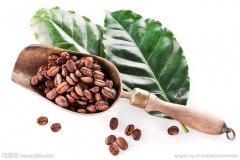
Coffee in Venezuela Other Coffee in Latin America Boutique Coffee
The distinctive manor coffee comes from this oil-rich country. Oil was once considered Venezuela's main export. Although coffee trees were introduced from Martinique as early as 1730 and Venezuela, coffee production was almost abandoned during the heyday of the oil industry. Coffee plantations have recently begun to revive, with the original plantations of Tipica and
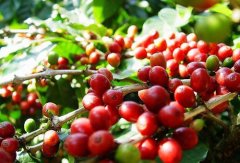
Venezuela's distinctive manor coffee comes from this oil-rich country.
The distinctive manor coffee comes from this oil-rich country. Oil was once considered to be the main export of Venezuela. Although coffee trees were introduced from Martinique in 1730 and Venezuela, coffee production was almost abandoned at the height of the oil industry. Recently, coffee plantations have begun to recover, with the original planting of Tipica and

The History and Culture of Jamaican Blue Mountain Coffee Latitha Manor
In 1717, King Louis XV of France ordered the cultivation of coffee in Jamaica. In the middle of the 20th century, the Governor of Jamaica, Sir Nicholas Nicholas Lawes, imported Arabica seeds from Martinique and began to plant them in St. Andrew. To this day, St. Andrew

Introduction to the treatment of superior Jamaican Blue Mountain Coffee
In 1717 King Louis XV of France ordered coffee to be grown in Jamaica, and in the mid-1920 s, the Governor of Jamaica, Nicholas. Nicholas Lawes imported Arabica seeds from Martinique and began to plant them in St. Andrew. To this day, the St. Andrews area is still the Jamaican Blue Mountain Coffee.